
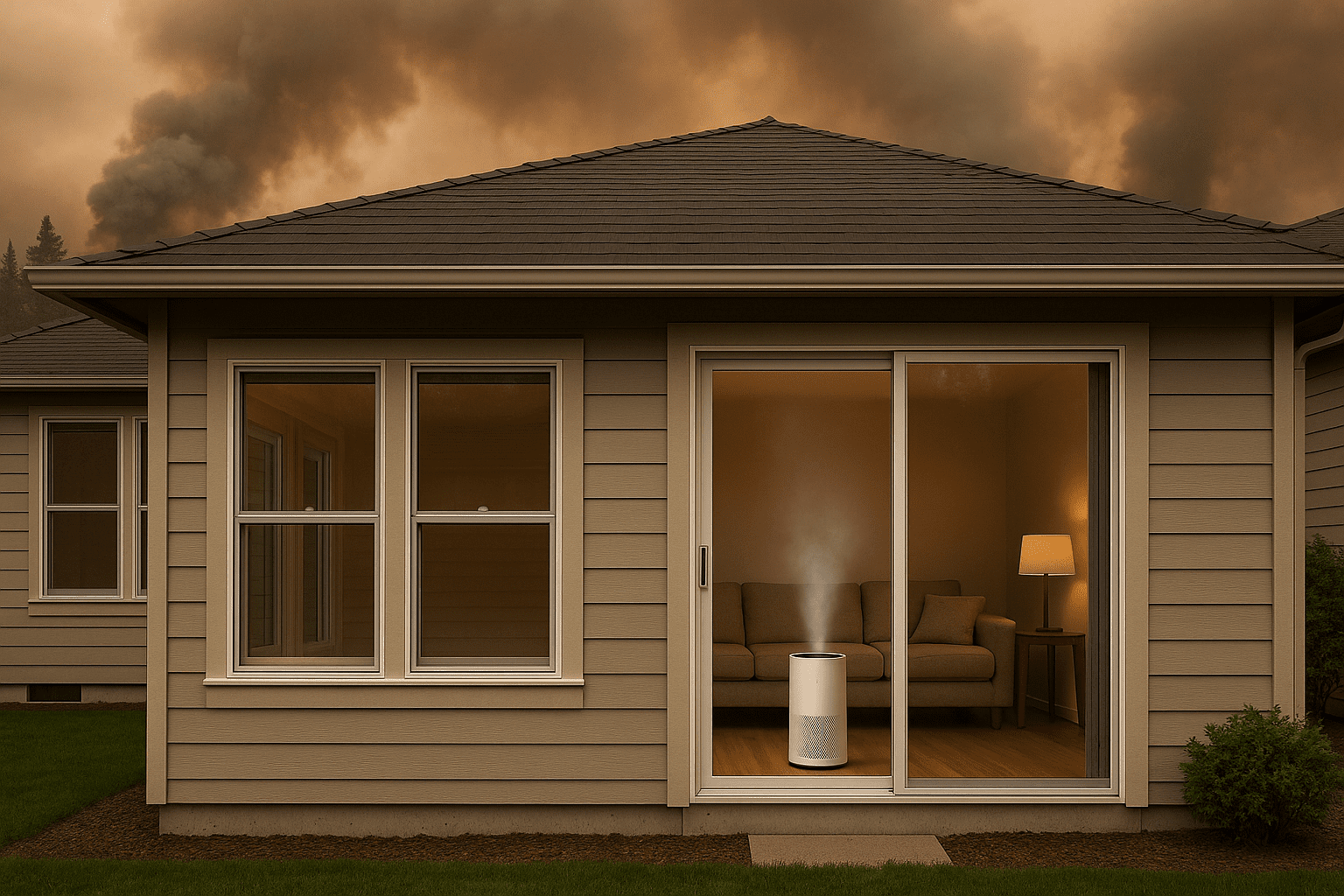
Wildfires have become a growing reality for many communities across the country. Smoke from these fires can creep into your home, fill every room with hidden toxins, and leave you coughing, groggy, or worse. You may not see it pressing against your door, but wildfire smoke is relentless. This post is your ultimate guide to keeping that smoke where it belongs, outside, and turning your home into a sanctuary of clean, breathable air, even when the outside world feels like an ashtray. We’ll get deep into how air filtration works, real techniques to keep your home sealed tight, and health moves that will save your lungs, your family, and possibly your sanity.
Why Wildfire Smoke Is Worse Than Your Worst Ex
Sure, the drama of wildfire smoke doesn’t scream in your face. Instead, it quietly invades, settling on surfaces and filling your lungs with particles you can barely see. While the billowing orange skies may make for a dramatic Instagram post, the true danger is long after the photo disappears. Tiny particulates that slide right through basic filters and even your most determined closed windows hang in the air for hours, sometimes days. These particles, smaller than the width of a hair, slip into your lungs and stubbornly refuse to leave. They aggravate asthma, trigger allergies, and can spark bigger problems if you already struggle with lung or heart conditions. Kids, seniors, and anyone allergic seems to get hit hardest, but nobody is safe when smoke takes over your indoor spaces.
So how does a resourceful homeowner stand up to this invisible threat? It’s not about panic. It’s about smart, strategic defense, starting with what’s floating in the air itself.
Air Filtration Techniques That Actually Work
The phrase “indoor air filtration” might sound like something from a laboratory, but getting it right is easier than you think. If you want any shot at beating wildfire smoke, look at your filters first. Not all filters are created equal. Your dusty, old “change every two years (if you remember)” HVAC filter is probably about as helpful as a wet paper towel. In the battle against wildfire smoke, the EPA spells it out: filters with a MERV rating of 13 or higher are your first line of defense. A MERV 13 filter is built to trap fine particulates, including most of the dangerous particles from wildfire smoke, and keep them out of your lungs.
But what if your home doesn’t have a high-power HVAC system ready to swallow up every scrap of smoke? Portable air purifiers step in with gusto. Go for one with a true HEPA filter. These aren’t marketing fluff. A genuine HEPA filter locks down at least 99.97% of particles as tiny as 0.3 micrometers. You’d need a microscope to spot most wildfire particles, but HEPA doesn’t care, they’re gone anyway. Place these purifiers in key areas: the bedrooms where you sleep, the living room where you breathe the most, and any room where you spend a lot of quality time. Run them with doors and windows shut, especially if the outside air smells like a campfire gone wrong.
Do not forget to change those filters, too. A clogged filter becomes a smoke-lover’s best friend. Your air quality depends on your willingness to swap out those filters regularly, don’t skip it, even when life gets busy. Read the manufacturer’s guidance, or just set a recurring reminder on your phone. Trust us, your future self will breathe easier.
Keep Smoke Out: Sealing Your Home Like a Pro
No matter how powerful your filter, you lose the war if that outside air finds cracks to wiggle through. Think of smoke like an evil genius: it finds the smallest weaknesses and pushes right through. You need to seal your home tight, no mercy for cracks or gaps.
Start with the obvious: doors and windows. You probably already keep them shut during a smoky event, but the real trick is making sure the shut means airtight. Inspect for gaps where the window meets the frame or the door fits into its jam. Weather stripping is cheap and transformative. Apply it around edges where light peeks through, and you’ll instantly limit the airflow that brings smoke inside. Caulk over any cracks you find, especially at the bottom corners. Don’t just focus on the rooms you use, an unsealed window in the basement is just as problematic as the one in your kitchen.
That whirring bathroom fan and kitchen range hood? Turn them off. Ventilation systems that pull outside air into your home should not run during a smoky episode. If your HVAC system has a setting for “recirculate,” use it. This keeps indoor air moving without dragging in more smoke with each breath of the outside. If your system only works with outdoor air, shut it down during the worst smoke hours and double down on those portable air purifiers instead.
Even your fireplace and chimney need a hard look. Smoke sees an open flue as a welcome mat. Make sure dampers are shut tight. Typical roof vents and attic crawl spaces leak smoke inside, so if you’re feeling handy, use plastic sheeting and painter’s tape as a temporary barrier. This may not look like something from a viral Pinterest board, but your lungs don’t care about aesthetics when the air is thick with soot.
Cheap Tricks For When You’re Stuck Without Fancy Equipment
Not everybody can throw money at the problem. If an air purifier isn’t an option, consider a DIY approach. Box fans, high MERV furnace filters, and some sturdy tape can be lifesavers. Secure the filter to the back of a box fan, then let it run in a closed room. This won’t match the performance of a top-of-the-line HEPA device, but it’s better than plugging your nose and hoping for the best. Use this setup to create a “clean room” where you retreat when the smoke is thickest outdoors.
Don’t forget the low-tech moves, either. Wet towels tucked along window sills and door bottoms aren’t pretty but give a bit of short-term help for sneaky leaks. Every little bit slows the creep of smoke inside. If you suspect an attic or crawlspace is leaking, you can tape plastic sheeting over vents for a temporary fix. These homemade barricades won’t win design awards, but breathing comfortably always trumps a little odd décor.
Health Moves For Surviving Wildfire Smoke Indoors
OK, you’ve filtered, sealed, and closed your vents. Your home feels more secure, but your body’s still the last line of defense when smoke gets inside. Wildfire smoke contains fine particles and gases that irritate your lungs, throat, and eyes. Short-term symptoms can include coughing, wheezing, shortness of breath, headaches, burning eyes, fatigue, and scratchy throats. For people with chronic conditions like asthma, COPD, or heart concerns, even light exposure is a real risk. Kids, the elderly, and anyone with allergies also suffer quickly.
First rule: Monitor your local air quality. Check daily, sometimes hourly, using resources like your local government, weather apps, or AirNow.gov. Don’t trust your eyes or nose to be perfect. If the AQI (Air Quality Index) rises to unhealthy ranges or you can see smoke clearly outside, act immediately. This isn’t the time to squeeze in that afternoon jog or long walk with the dog. Limit all strenuous outdoor activity. Stay indoors whenever possible, especially if you or anyone in your household is at risk.
Sometimes you must step outside. Groceries don’t buy themselves, right? If you must brave the air, go out early in the day, before the full heat and smoke build. The right mask matters. N95 or KN95 masks, as recommended by health experts, offer real help. Cloth masks or surgical masks do little to block the fine particles that cause health issues. Adjust the mask for a tight fit, and resist the urge to remove it until you’re back in clean air.
Stay hydrated to help your body deal with exposure. Smoke parches your lungs and throat quickly. Water helps your body flush out contaminants and recover from light exposure. Keep an eye on symptoms. If someone in your home develops a persistent cough, wheezes, struggles to catch breath, or notices chest pain or confusion, call a healthcare provider right away. With kids and seniors, err on the side of caution, seek medical help if symptoms last more than a few hours or worsen despite efforts to clean the air indoors.
Do You Really Need Professional Help?
If you’ve ever tried scrubbing away the gray stains or cleaning up soot after a wildfire, you know some situations go beyond DIY. Persistent smoke odor, sticky residues, or yellowed walls point to problems normal cleaning can’t fix. In those cases, a professional restoration crew like ours steps in. Using advanced filtration and cleaning methods, we remove particles and toxic residues other companies miss. We also repair HVAC systems and check for lingering issues that threaten your air quality down the road. If you walk into your home after a wildfire event and still smell smoke or see new stains appear week after week, an assessment is worthwhile. Your nose tells the truth, if your house smells wrong after a smoke event, don’t wait for symptoms to confirm it.
Everyday Habits For Fresher Air, Wildfire Or Not
Don’t wait for fire season to think about air quality. Routine cleaning pays off. Keep dust to a minimum with regular vacuuming, using units with HEPA filters when possible. Wash curtains, bedding, and soft furniture frequently, especially after a smoke event. Bathing pets regularly also keeps allergens and particulates out of the air. Plants sometimes help with very minor air cleaning, but don’t expect them to save the day when the air outside looks like Mars. Focus instead on changing filters, checking seals, and using powerful purifiers as your main line of defense against smoke.
Pay attention to what you burn inside, too. Ditch the candles, incense, or anything that creates smoke during wildfire season. Run your kitchen hood only if it vents to the outside and conditions are safe. Keep stove and oven use to a minimum when the worst smoke blows through town, every little bit helps.
Recognizing And Responding To Smoke Symptoms Quickly
When wildfire smoke takes over, symptoms come fast. Irritated eyes turn red or water. Throats feel sore or scratchy. Some people get dizzy, tired, or develop headaches after just a few hours indoors. Kids may describe “pressure” or “tightness.” Asthmatics often need medication more frequently during these events. For most, mild symptoms fade if air quality improves and exposure ends. If symptoms linger, intensify, or don’t respond to your usual medications, reach out to a doctor right away.
Sometimes, symptoms sneak in days later. Keep track of how you (and your loved ones) feel. If breathing gets tougher, coughing becomes constant, or fatigue gets much worse, call a healthcare provider. In rare cases, wildfire smoke can trigger serious responses, early action saves lives. Don’t downplay symptoms just because others seem fine. Everyone responds differently to airborne pollution.
Why Preparation Beats Panic Every Time
The best time to tackle indoor air filtration and keep out smoke is before the season starts. Stock up on replacement filters and check the seals on your doors and windows. Test out air purifiers and set up a go-to clean room with a DIY box-fan filter if budgets are tight. Teach kids what symptoms look like and make a family plan for when the AQI spikes. Know who to call in a true emergency. Preparation calms anxiety and gives you real peace of mind when the next wildfire hits, because you’ll actually have a plan, not just a wish.
If you handle filtration, sealing techniques, and health precautions with care, wildfire smoke loses its power. Your home stays fresher, your family breathes easier, and life keeps moving, even when the sky turns orange outside.