
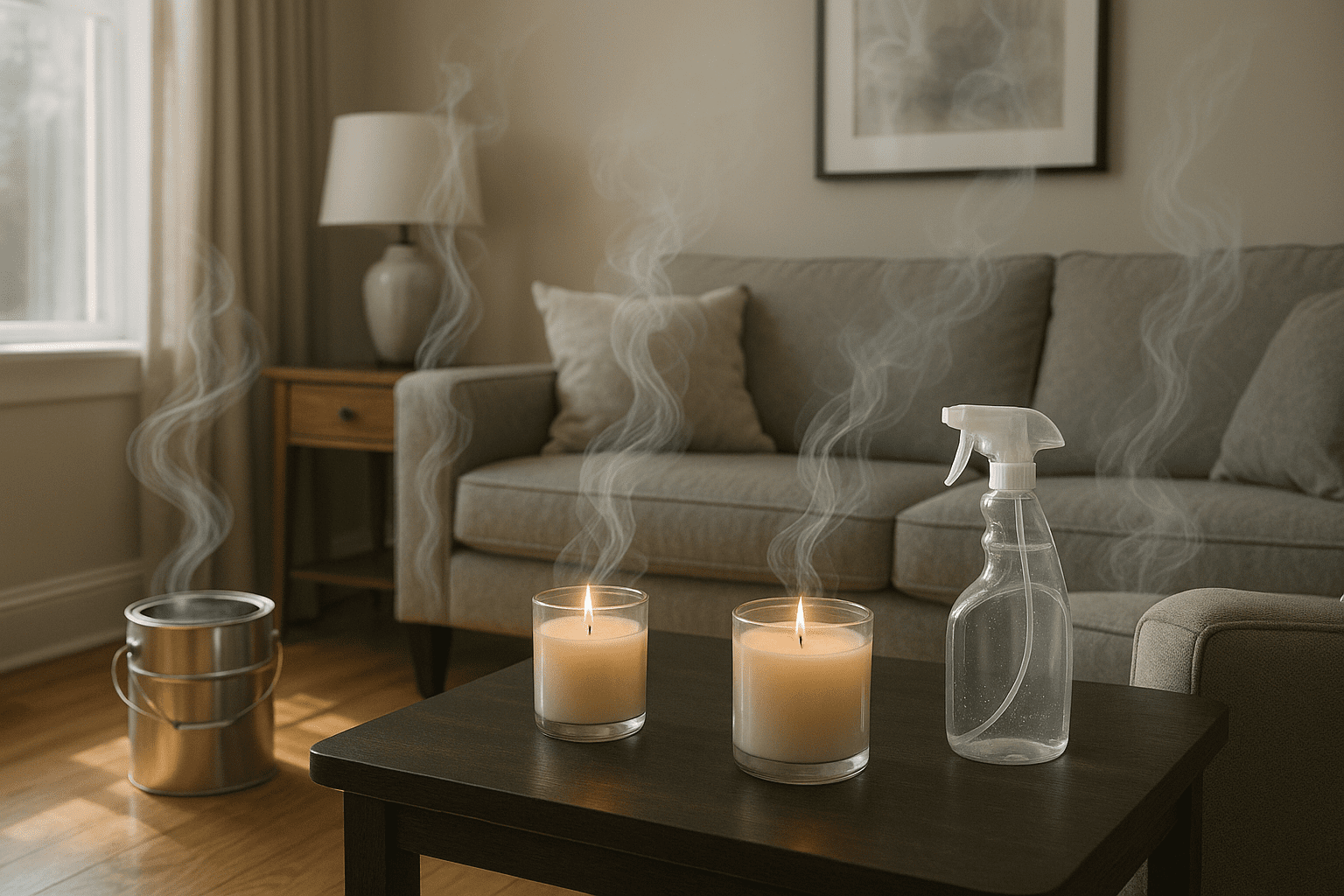
Look around your living room. Maybe you just popped open a can of new paint, or the scent of your favorite air freshener lingers. Maybe you spent Saturday morning scrubbing the kitchen, spraying fancy cleaners that promise to battle grime. Now take a deep breath. Feels fresh, right? But underneath that seemingly clean environment, your air may be full of invisible troublemakers, volatile organic compounds, or VOCs. These sneaky chemicals lurk in more than just paint fumes or that stubborn upholstery smell. They turn everyday habits into opportunities for invisible contamination, impacting your home’s air quality and, possibly, your family’s health. Ready to see your home in a new light? It’s time to expose the invisible invaders and learn how to clear the air for good.
What Makes VOCs So Sneaky?
VOCs sound like something out of a hazmat report, but most homeowners don’t even realize these chemicals exist in their space. VOCs are a class of carbon-based substances ready to party in your air the moment they are unsealed, uncapped, or even just sitting in the background. Many evaporate easily right at room temperature. That’s why the smell from freshly painted walls, new carpet, or a bottle of all-purpose cleaner can fill a room in minutes. They thrive in places where you want to feel safest: your remodeled kitchen, your child’s freshly painted bedroom, that cozy living room with new furniture. VOCs seep out silently, floating in the air, invisible but potent. This is no horror movie. This is real life, in real homes, right now.
The Usual Suspects: VOC Sources in Every Home
Your house is supposed to be your safe haven. Yet it’s packed with items that off-gas VOCs all the time, not just during renovations or after heavy cleaning. Start with building materials. Paints, varnishes, and sealants are obvious offenders, with their potent odors and lingering stench. But less flashy items like caulks, adhesives, composite wood, and carpets also release VOCs day in, day out. New vinyl flooring and laminates have their own secret stash of vaporizing chemicals. You walk across them in bare feet, never suspecting what’s wafting upward.
Household products are another rich VOC source. Your cleaning arsenal might promise “citrus fresh” or “floral burst” but that aroma often signals a chemical cocktail primed for release. Air fresheners are infamous offenders. Personal care items, think hair sprays, deodorants, nail polish, cologne, release their own clouds of compounds every time you get ready. The effort to mask one odor often doubles your trouble by adding more unsavory chemicals to the air.
Furniture is sneaky too. New couches, foam mattresses, upholstered chairs, or curtains may seem like the perfect upgrade, but the new product “smell” is frequently a mix of VOCs escaping manufactured fabrics and glues. Even if the vapor isn’t strong enough to notice, it’s there, working quietly.
Don’t forget activities. Smoking inside is an obvious contributor, but anything involving solvents, arts and crafts, DIY repairs, model building, pumps out even more VOCs. Frying dinner or using scented candles isn’t innocent either. These activities push new compounds into the space you breathe every single day. You don’t have to move a muscle to welcome VOC exposure into your home. Just living life is enough.
Why Should You Care About Home Air Quality?
Maybe you’re wondering why all this chemistry talk matters. VOCs can wreak havoc on the human body, especially if you already have a health condition. Short-term symptoms can feel like allergies on steroids: irritated eyes, itchy throat, sinus congestion, recurring headaches. Dizziness and nausea may show up after some heavy cleaning or in freshly renovated rooms. None of those sound like a recipe for family fun time.
Prolonged exposure to higher levels carries more serious risks. We’re talking about potential impact on your liver or kidneys, as well as your central nervous system. Some of these chemicals are also linked to cancer. That’s not meant to scare you, it’s meant to make you take your air as seriously as you take your drinking water. Those with asthma or trouble breathing can experience worse symptoms or more frequent attacks. Small kids and the elderly are particularly vulnerable, since their immune defenses are lower or still developing. The people you most want to protect are the first to feel the impact of poor home air quality.
How VOCs Linger and Build Up Indoors
You might think a quick burst of fresh air solves everything. But VOCs operate like freeloaders at a never-ending party. Modern homes are sealed tight to keep heated or cooled air inside and energy bills low. That’s great for efficiency but terrible for letting lurking chemicals out. VOCs build up, particularly in rooms with poor ventilation or lots of new items. A single source, a new carpet, for example, can leak traces for weeks or even months.
The problem multiplies in rooms with several sources. Paint, imports from a home improvement haul, yesterday’s cleaning binge, all keep topping off your home’s invisible pollution pile. Closed windows can mean higher concentrations indoors than outside, especially when you’re running the heat or air conditioning. While you’re kicking back, VOCs are blending and swirling together, creating a complex and sometimes toxic air mix. Achieving true home air quality means dealing with more than the usual suspects like pollen or dust.
Why You Shouldn’t Rely On Scent to Judge Safety
When a room smells clean, many assume it is clean. Soap companies know this, so they pack their products full of perfumes that stick around after the scrub. Unfortunately, just because your air no longer reeks of garbage doesn’t mean it’s healthy. Many VOCs smell pleasant or barely noticeable. Some, you guessed it, have no odor at all, but that doesn’t stop them from loading up on health consequences. Trusting your nose alone is not a winning strategy. The fresher the scent, the more likely you’re just trading one type of chemical for another. Your nose might be satisfied, but your lungs are forced to host a chemical rave that never ends.
The One-Two Punch: Short-Term Versus Long-Term Health Effects
Let’s break it down. Short-term VOC exposure sends up all sorts of signal flares. Within minutes to hours, you might feel a scratchy or burning throat, stinging eyes, headaches, or random dizziness. Some people get nauseous. Sounding like you’ve got allergies in every season? VOCs might be sabotaging you. Children and people with breathing conditions can have full-blown attacks or new symptoms out of nowhere. Take special notice if your child coughs or wheezes after you rearrange the living room, bring in a new piece of furniture, or deep-clean with strong products.
On the flip side, long-term exposure ups the ante. Chronic headaches, fatigue, or persistent respiratory problems can sneak up on you after months or years of living with subpar air. The effects are subtle and cumulative, but real. Some VOCs are proven carcinogens. Prolonged contact can chip away at your organ function, especially liver and kidneys. It’s a slow kind of sabotage, but with stakes that are anything but minor. Protecting home air quality is a daily priority, not a project you tackle once and forget about.
Tried and True Tactics to Bust VOCs in Your Home
You don’t need to lock yourself in a bubble. You just need a smarter plan to take control. Start by choosing “low-VOC” or “zero-VOC” products whenever possible. This is especially critical with paint, finishes, stains, and cleaning agents. Look for official certifications or clear labels on cans and packages. Don’t just take the “fresh scent” ads at face value. Read the small print, make sure the product matches your intentions, and if the label is as vague as a politician’s promise, move along.
Ventilation matters. Open windows when you bring out anything new or break out the cleaning gear. Exhaust fans in kitchens and bathrooms are secret weapons, not just decorative afterthoughts. Allow painted rooms or new construction to “cure” with maximum airflow for at least several days before spending sustained time in them. A little draft now saves a lot of drama later.
Storage mistakes turn garages and cabinets into ticking time bombs. Keep all chemicals in sealed containers, well outside main living areas. If you haven’t used that mystery bottle of solvent in two years, it’s time to part ways. Dispose of unused items at designated hazardous waste sites, not in your trash can. The fewer lingering products you keep, the lower your risk of accidental indoor leaks.
Air purifiers can really help, but only if you pick the right ones. Models with activated carbon filters remove VOCs from indoor air, while those with only HEPA filters leave VOCs untouched. That’s a sneaky trick many sellers won’t tell you up front. Replace carbon filters as recommended. Combine air purifiers with regular cleaning and smart habits for best results.
Humidity control also helps. VOCs vaporize more quickly in muggy environments. Keep your home’s humidity between forty percent and sixty percent, using dehumidifiers or humidifiers if necessary. This doesn’t just help with air quality, but also protects your home from mold or mildew.
If you’re shopping for new furniture, mattresses, or flooring, search for products listed as natural-material or VOC-free. Solid wood typically beats pressed wood or particleboard, which are packed with adhesives primed to emit VOCs. Skip the “new smell” and go with something safer. Let new purchases air out in garages or outside before moving them into your living room or bedroom.
When DIY Is Not Enough: Professional VOC Assessments
You can follow every tip, but sometimes air quality just isn’t budging. If headaches, allergies, or strange symptoms linger, it’s time to call in the pros. Restoration companies with proper tools can test for VOC levels, identify hidden sources, and recommend custom action plans. Most homeowners cannot measure these chemicals with store-bought gadgets or a sniff test. Professional help means you get real answers, not educated guesses. If you just completed a big remodel, bought older furniture, or worried about chemical sensitivities, getting a professional check is money well-spent. The sooner you know, the sooner you can breathe easily again.
Myth-Busting: Common Misconceptions about VOCs
“But my new paint says ‘low odor’!” Marketing loves a good half-truth. Odorless does not mean healthy, only that your nose won’t pick up on the fumes. Some VOCs hardly smell at all yet carry real risks. Don’t assume scented candles are harmless just because the label says “natural.” Plant-based or “organic” scents still may give off problem VOCs. “Air out the room and all is well!” Not quite. Some chemicals cling to surfaces for weeks or months, leaching out long after the window closes. “No chemicals, no problem.” Impossible, every home contains some VOCs, no matter how careful you are. The goal is not zero, but safe, smart homes where levels stay manageable, and families stay healthy.
The Safe Home Habit Checklist
You might not have a chemical lab at home, but you can become your own air quality bodyguard. Check products before buying, not after you get home. Limit impulse purchases of trendy furniture made of engineered wood. Open up the windows more often, especially when using cleaners, painting, or bringing in new goods. Store all leftover chemicals in the garage or a shed, never under the sink or next to bedrooms. Switch to mild, fragrance-free cleaners. Schedule regular deep cleans using natural methods if you can. Maintain a moderate humidity level.
Don’t ignore lingering headaches or coughs. Keep notes on when symptoms start or worsen, and what products or projects might have triggered them. Sometimes your body is your best early warning system, as long as you listen. Remove unnecessary clutter that traps dust or makes airflow more difficult. Minimalism doesn’t just look sleek, it often means less chemical build-up too.
Breathing Easy is Not Only for the Lucky
You don’t need to wrap your house in plastic to have good home air quality. Just pay attention to what you buy, how you use it, and what you keep or toss. Make small changes and keep them up. Your space should be a haven, not a chemical holding cell. Good air is one of the easiest ways to support your health, boost your mood, and make your family safer, no hazmat suit required.
Feeling overwhelmed by the thought of hidden toxins? That’s normal. Start by making one small change this week. Swap out one cleaning product for a certified low-VOC alternative. Crack a window when you clean or paint. Take your unused chemicals to a disposal site on your next errand run. Upgrade one filter on your purifier or install a bathroom fan if you use sprays in that space. Steady progress beats a perfect but impossible routine every time.
Want backup, or professional air quality help? Don’t go it alone. Reach out to experienced restoration companies like Blackhill Restoration. They understand VOC exposure, real home air quality solutions, and aren’t afraid to tackle situations most homeowners would rather ignore. Take control now. Your lungs, your family, and your future self will thank you for it.