
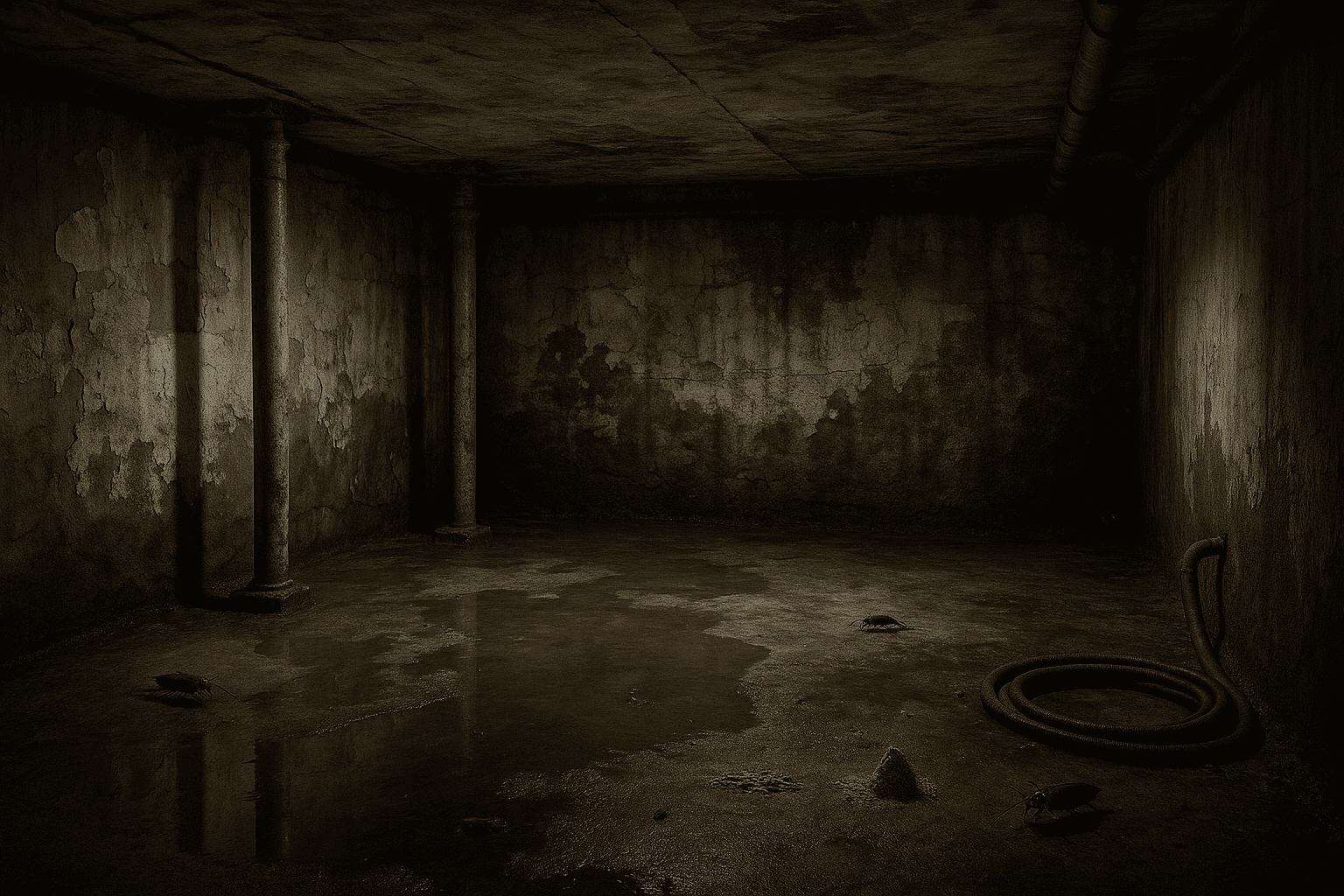
If you think water damage only leads to mold and some wavy floors, let me stop you right there. That leak in your basement or burst pipe does more than invite mildew. It also rolls out the red carpet for some of the nastiest creepy-crawlies your house will ever meet. If you want your home to avoid becoming a nightclub for pests, you need to know why water issues invite infestations, what to look for, and how to stop pests after flooding or other moisture disasters. Let’s break down what really happens after water damage and how you can win the fight against pest infestations.
How Moisture Sets the Stage for Pest Problems
Picture this: water creeps into your home after that storm or mystery kitchen leak. It seeps between floors, soaks into wood, and settles in crawl spaces. Suddenly, places that should be dry become a spa for everything from termites to cockroaches. Moisture is the universal language pests speak fluently. It is what brings them calling.
Most pests rely on humidity to survive. Cockroaches thrive in dampness, as do ants and termites. The wetter your home, the more attractive it becomes to pests searching for shelter or a snack. Areas with standing water or lingering dampness invite infestations fast. Even humidity alone makes trouble, because high moisture keeps wood and drywall soft enough for hungry insects or rodents to breach. From leaky pipes under the sink to water building in your attic, dampness is a call to arms for everything that crawls, scurries, or buzzes.
Pest infestation after water damage is so common that restoration professionals always factor in pest risks when planning repairs. The longer water sits in your walls or floors, the bigger the pest invitation. Think of it like leaving the front door wide open for that nosy raccoon, except now, a whole parade of insects is coming, too.
Why Structural Damage Means Pest Invitations
Water does not just damage surfaces. It weakens the bones of your house. Drywall crumbles, paint blisters, wood swells or decays. As materials break down, they form gaps and cracks. Every new crevice is another doorway for pests. Termites love nothing more than softened wood. Tiny holes are their gateways. Carpenter ants feel the same way. Even rodents are searching for these shortcuts inside. If you have peeling paint, buckled floors, or softness in your walls after a water event, you might spot unwanted guests soon after.
Structural problems also make professional remediation trickier. Weak beams and crumbling drywall provide not just hiding places but also breeding sites. Pests need privacy for nesting. Guess what provides that? Unattended, water-damaged spaces where nobody dares poke around for months. Every time you put off fixing water impacts, you increase the odds that pests will find a way inside and multiply out of sight.
Take it from someone who has seen more than a few pest-ridden disaster zones: fixing the structure also shuts down pests’ escape routes and nesting areas. Integrated repairs are not just about making your home pretty again. They slam the entryway shut for future invasions.
The Link Between Mold and Pest Infestation
Mold and mildew follow moisture like bees to honey. Once they show up, certain pests are not far behind. Springtails, fungus gnats, and several beetle species thrive in moldy or mildewed environments. If you see clouds of tiny bugs where water damage hit hardest, it’s usually because they feast on the fungi growing in hidden nooks. Even bigger pests, like cockroaches, cannot resist a buffet of decay.
Fungus eats away at your building materials, loosens surfaces, and helps pests burrow. Mold spores also make homes sick, pests just make the health risks worse. If you treat mold without checking for bugs, you can end up spending your time chasing your tail. Integrated restoration services treat both at once. Leaving mildew unchecked always leads to more bugs than you bargained for.
The Pests Most Common After Water Damage
You might think you only have to worry about a spider or two when water gets inside. Trust me, the all-star lineup is much worse. The usual suspects after a flood or leak include:
- Termites that chew through water-softened wood, heading straight for joists, studs, and beams.
- Cockroaches that need moisture and quickly infest kitchens, basements, and bathrooms.
- Carpenter ants that nest in damp, decayed wood, carving out galleries that hollow out supports.
- Mosquitoes that breed in standing water, both inside and outside. Watch out for puddles in buckets, drains, or clogged gutters after a storm.
- Rodents like mice and rats, drawn to leaky crawl spaces where food scraps have mixed with water-soaked insulation or damaged drywall.
Each pest presents different dangers. Termites damage your biggest investment right under your feet. Cockroaches contaminate food and spread disease. Carpenter ants quietly undermine the structure. Mosquitoes attract attention because of their bites but also carry nasty viruses. Mice and rats are destructive and carry bacteria. You really do not want any of them setting up shop.
Warning Signs That You Have Pests After a Water Event
There are early clues that pests are moving in after water has invaded. Start with the obvious. Any pest droppings, especially in damp areas, should raise eyebrows. Cockroach frass, termite pellets, mouse droppings, nothing is normal when water damage is fresh. Gnaw marks on wood, plastic, or even wires also suggest mouse or rat intrusion. Piles of sawdust-like material may signal carpenter ants tunneling through rotten wood. Discarded insect wings around windowsills or baseboards can indicate a recent swarm.
Structural shifts count as warning signs too. If your floor starts to sag, your doors stick, or you notice soft spots in walls, pests may be eating away from the inside. Sometimes, peeling paint or wallpaper bubbling up is not just a cosmetic issue. It might be backed by chewed-up supports or hidden nests.
Listen, too. Scratching, gnawing, or tapping sounds inside ceilings or walls late at night are rarely just your imagination. Rodents are especially loud as they run between water-damaged cavities and their new hiding places. Buzzing, rustling, or even clicking can mean insects are busy multiplying within the damp structure.
Look for odd smells. Wet rot smells musky, but a sudden, sour odor can hint at rodent urine or the mustiness from old insect nests. Your nose knows more than you think. If your home gives off a new, nasty scent post-leak or flood, pests may have already arrived. Do not wait until you see bugs hanging out in plain view, the earlier you act, the less severe the infestation will get.
How Moisture Damage Creates Pest Hotspots
Damp, hidden areas in a water-damaged home are prime real estate for pests after flooding. Crawl spaces, behind kitchen cabinets, unused attics, or under flooring provide shadowy moisture zones where insects and rodents feel safe. Even insulation left wet acts as both food and shelter for certain pests. Plaster, paper, and natural fibers in flooring or walls soak up water, breaking down slower and keeping spaces humid for months.
Kitchens and bathrooms face extra risk. Leaky sinks, wet baseboards, or soaking-wet pantries keep roaches happy and multiplying fast. Pests like to set up shop where you hardly look: behind heavy appliances, inside walls, under stairs. Even your HVAC system or vents can start harboring gnats or other moisture-loving insects if condensation is not handled quickly. If your home’s ventilation stays poor, every puddle or lingering drip keeps pest risk high.
Exterior areas are no safer. Splash zones next to foundations, clogged gutters, or bad grading direct water straight into the basement. Groundwater seeps up, driving ants or termites to look for weak spots. Each square foot of unaddressed wetness multiplies your pest risk. Prevention is best, but rapid, thorough drying lowers your odds of needing an exterminator.
Why Slow Responses Lead to Big Infestations
Every day you let water-damaged areas linger, another pest population sets up shop. Some species can establish entire colonies in the time it takes to get an insurance estimate. Others lay eggs in the first two days after finding a new moist nest. The longer repairs are postponed, the more deeply insects and rodents burrow or breed in hidden places. A slow response means more money spent chasing pests later, not to mention increased health risks and structural headaches.
If you tackle water intrusion rapidly, you limit access to the conditions pests need most: darkness, moisture, and quiet. Fail to act, and even a tiny leak turns into thousands of roaches feasting behind your cabinets. If you spot signs but do not inspect every nook and cranny, pests can slip through unnoticed until your floor gives way or your breaker trips thanks to chewed wires. Good restoration means urgency. It means leaving no patch of damp wood or insulation behind. It also means working with professionals who know what to look for and how to knock back a pest problem before it explodes.
Preventing Pest Infestations After Water Damage
Your best defense kicks in as soon as you know there is a leak, flood, or anything else drenching part of your house. Here are key steps to reduce pest risks the smart way:
Start with fast, thorough drying. Rip out carpets, pads, and insulation that can’t be saved. Dry down to the subfloor if needed. Open walls if moisture has crept behind drywall. Dehumidifiers and high-powered fans are your best friends, use them until every nook feels dry to the touch. Air movement matters just as much as heat in stopping mold and deterring insects. Professional-grade drying tools work best for bigger infestations or whole-home floods.
Seal up every gap or crack in the building envelope. Water-damaged wood or brick opens access points. Patching holes closes that opportunity for pests. Check around doors, windows, vents, utility lines, and anywhere foundation walls meet earth. Foam, caulk, or professional-grade sealants create robust barriers. If pest entry points are larger or in hard-to-reach places, call in reinforcements. This stops future invasions as well as current ones.
Maintain indoor humidity around thirty to fifty percent whenever possible. Dehumidifiers in basements, crawl spaces, and other high-risk areas keep things dry. If you have ongoing condensation, especially in older homes, upgrade your ventilation or install extra exhaust fans. Poor airflow gives pests what they want, a muggy, stagnant home. Fresh air and dryness are the enemy of cockroaches and most insects.
Do not forget to dispose of any waterlogged materials. If you are tempted to keep old, wet cardboard boxes or soggy insulation, resist. Even materials that look dry on the outside may trap enough moisture to breed mold or shelter beetles. Proper removal matters. Bag and toss the mess instead of stacking it in the garage or basement for “later.”
Schedule regular inspections with a professional, especially if you have experienced a big leak, flood, or slow, unnoticed drip. Pest control experts and restoration pros spot conditions you miss. Early detection means fewer headaches and far less damage. Pairing inspection with any remediation work tightens your defense and reduces the odds of getting blindsided by a full infestation.
Pest Control and Restoration Go Hand in Hand
Solving pest issues after water damage takes teamwork. Professional restoration companies understand that fixing water damage is only half the battle. Pest control partners sweep in to treat high-risk zones, bait or trap hidden colonies, and identify environmental triggers still at play. Stopping leaks but ignoring pests means your home is safe and dry, until the next colony moves in. Using restoration and pest control together means long-term results and peace of mind.
If you want a healthy, pest-free property, prioritize repair and prevention at every turn. Restoration teams remove damaged material, dry out every last crevice, and rebuild stronger barriers. Pest control covers any gaps, treats nests, and sets up long-term solutions to block future invasions. This all-in approach keeps families safe from allergy triggers, disease, and surprise structural bills down the road.
Remember, nothing beats speed and thoroughness. Attempting a DIY fix with patchy repairs and no pest check means risking a revolving door of infestations. Save money, stress, and health by investing in professional cleanup and pest management together. Your house gets its life back. So do you.
Health and Safety Risks of Ignoring Pest Problems
The aftermath of water damage brings hidden health threats if pest infestations are not handled quickly. Cockroaches drag bacteria from your drains into your pantry or onto your toothbrush. Rodents chew wires, spreading germs and risking electrical fires. Mosquitoes bring risks of West Nile Virus and Zika when breeding undisturbed indoors or outside. Each pest that stays after water damage worsens indoor air quality and spreads contaminants across surfaces you touch daily.
The longer pests go unnoticed, the higher the odds someone in your household develops allergies, asthma, or repeat infections from unclean air and surfaces. Pet health also suffers, since most pests carry diseases that can be transmitted to cats or dogs. Even small children are at risk, especially crawling on contaminated floors or putting dropped toys in their mouths. Mitigating these risks starts by tackling both water and pest problems at the same time.
Professional-grade pest control gives you real protection. Strong cleaning, sanitation, and safe removal tactics break the cycle of reinfestation. Every spot cleaned and treated subtracts from the risk list. Staying on top of moisture control in the months that follow keeps pest populations at zero. Remember, you do not have to live with the fallout of water damage forever. A healthy home is possible again, with the right plan and a solid team.
Long Term Strategies Against Water Related Pest Problems
Keeping pests out long term means there is no substitute for vigilance. After a water event, one-time repairs are not always enough. Routine inspections, moisture monitoring, and ongoing pest-proofing make the difference. Fresh caulking every few years, scheduled HVAC tune-ups, and up-to-date sump pumps lower your odds of a surprise outbreak. Tidy yards free of debris, regular gutter cleanings, and smart grading around the foundation keep water away before it becomes a problem.
Knowledge pays off, too. Recognize which pests are most common for your region and your home’s unique weaknesses. If your neighbor has a termite problem, take preventive action before you see wings. Annual checks by trusted professionals reveal rot, leaks, or hidden nests early. Keep emergency contact numbers for both restoration and pest control handy, so you can act at the first sign of trouble. Your home is your sanctuary, but only if you stay proactive.
Modern restoration is about more than drywall and paint. It is about defending your sanctuary from all hazards, seen and unseen. Quick action paired with a smart, layered prevention plan keeps both water and pests in check so you can breathe easy and skip the nightmares. Dry home, safe home, pest free home. That should always be your goal. If your house ever gets soaked, do not wait. Secure restoration, deep cleaning, and professional pest control. You will thank yourself next time the rain clouds roll in.