
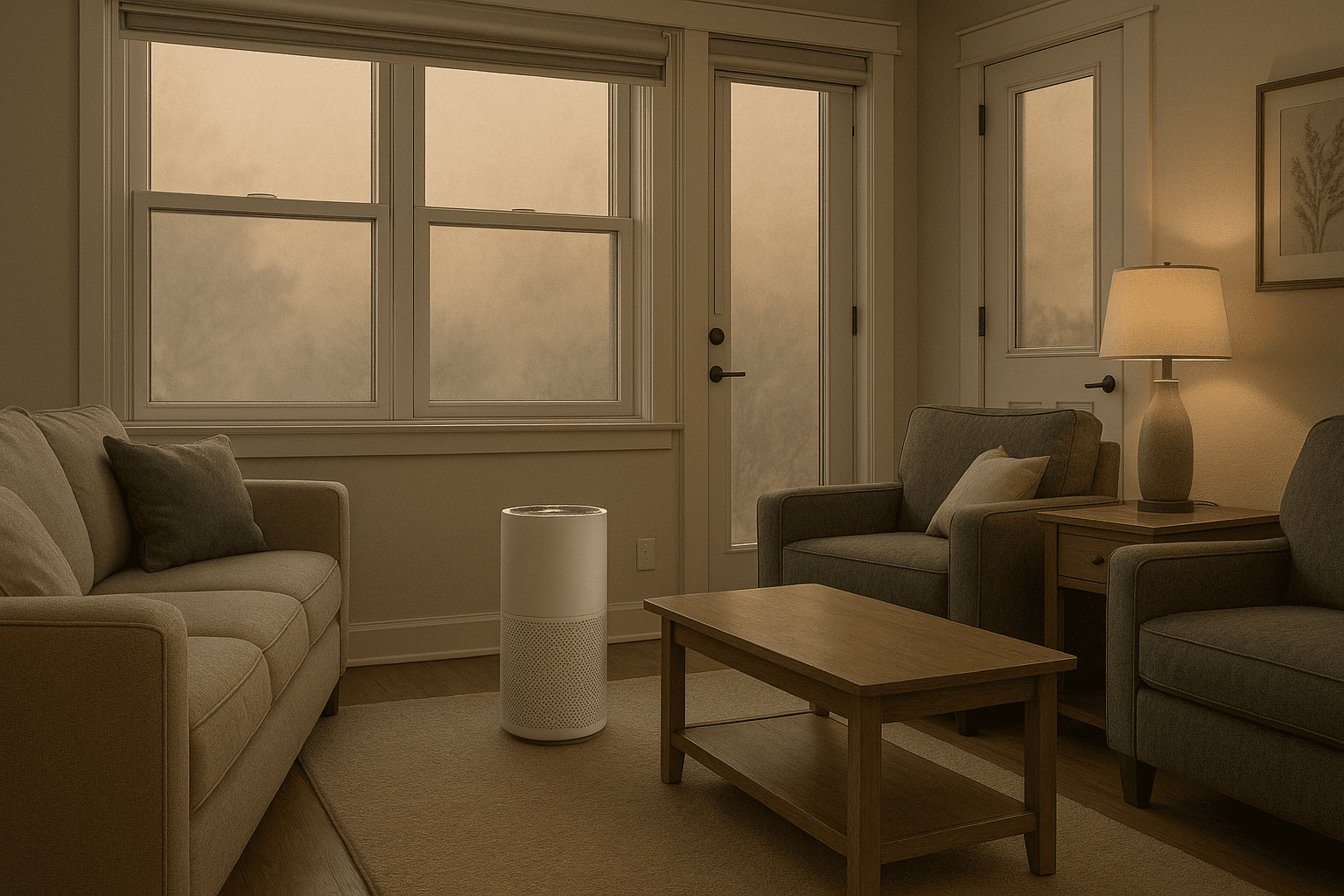
Wildfire smoke has a nasty habit of sneaking through tiny cracks and turning your home into a musty campfire. The smell lingers, your sinuses scream for mercy, and suddenly you’re researching air quality monitors like they’re the next iPhone drop. We see more cities dealing with orange skies than ever. Your lungs and your sanity can’t afford to wait for that next “wind shift.” This article is your air rescue plan. From choosing filtration systems that work to tightening up those window gaps even your cat can fit through, read on for real strategies to keep your castle smoke-free and sane.
Why Wildfire Smoke is a Serious Threat to Your Home
Wildfire smoke behaves like an unwanted houseguest with an all-access pass. Fine particles, called PM2.5, swirl through the air and invade every crack and crevice. These particles are puny but mighty, small enough to settle deep in your lungs but not polite enough to leave quietly. Forget the countryside stereotype; smoke doesn’t care if you’re downtown, uptown, or suburbs. Wind and shifting patterns drag it hundreds of miles. You might wake up to a smoky sky from a fire you never knew existed.
Health authorities from the U.S. to Canada agree. Prolonged smoke exposure increases the risk of breathing problems, worsens asthma and allergies, and can trigger headaches and fatigue. If you think closing the windows is enough, your nose knows better. The stuff finds a way in. Air quality drops indoors, even as you sit on your couch. Plus, smoke particles coat surfaces, linger in upholstery, and make air feel thick enough to chew. Dealing with wildfire smoke is not just for folks with breathing issues. It’s an all-household problem.
Understanding Indoor Air Filtration During Wildfire Season
Good indoor air filtration is your main defense. Standard HVAC filters, usually those flimsy gray things you forget to replace, won’t cut it when smoke moves in. The most effective filters for smoke are rated MERV 13 or higher. These filters trap tiny particles down to the size of wildfire smoke bits, locking them away instead of launching them back into your nostrils.
Before you swap in a MERV 13 filter, check what your HVAC system can handle. Some older systems can struggle with higher-rated filters. If the air doesn’t move well, neither does the filtration. Your system’s manual or a chat with your local HVAC specialist can settle this fast. When in doubt, a professional tune-up can turn your system into a proper smoke-fighting machine.
Portable air purifiers are another weapon. Pick devices with true HEPA filters, not the off-brand “HEPA-like” kind that plays pretend. Put them in rooms you use most. Bedrooms, living rooms, nurseries. Don’t hide it in the hallway; keep it where you breathe the most. These units pull in contaminated air, scrub it of particulates, and spit out clean air. Simple, effective, and strangely satisfying to watch if you stare at the filter after a smoky day.
Some high-tech purifiers have air quality sensors and display real-time particle readings, offering instant feedback on your efforts. Want a hard truth? Check the filter after a particularly bad smoke day. That grimy color is proof your lungs were spared.
Sealing Your Home Against Smoke Intrusion
Think like smoke. Where would you sneak in? Windows and doors provide a welcome mat for tiny particles. Block off their escape route with weather stripping and high-quality caulk. Focus on areas with visible gaps, spots where you feel a draft, or where daylight peeks around door edges. Even new windows can have microscopic cracks that let smoke inside during windy days.
For renters or those without renovation ambitions, temporary solutions exist. Removable sealant products and thick draft stoppers help block airflow. No need to make your house look like a construction site. Just aim for fewer leaks.
Another common entry for outside air is the fresh-air intake attached to your HVAC system. During a smoke event, this handy vent can betray you by pulling smoky air into your freshly sealed home. Hunt down the intake and set your system to “recirculate” mode. If in doubt, tape a note to the thermostat as a reminder until the skies clear up. Always switch the intake back on after the smoke passes so your system doesn’t trapped stale air forever. Fresh air returns when outdoor air is clear.
Creating a Clean Room for Better Breathing
The clean room concept sounds like something reserved for mad scientists, but in fire season, every homeowner should be a little mad scientist. Pick a room, preferably not attached to a garage or fireplace. Bedrooms are favorites, given you spend a third of your life there convincing yourself you’re getting enough sleep. Fewer windows and doors mean fewer opportunities for smoke to creep in.
Weather-strip and seal off this chosen space with even more obsession than usual. Position a portable HEPA purifier inside and let it run nonstop until the air improves. If you want to take it over the top, add a towel at the bottom of the door. Old school but it works. For that sterile, hospital-esque effect, keep clutter to a minimum so dust and particulates don’t have too many places to party.
Some rules for this sanctuary. No burning candles, no incense, no smoking of any sort. Even cooking with a gas stove can pump out more particles, worsening the situation. Keep pets brushed and clean, they’re not just cute, they’re also mobile fur dispensers. Toys and fabrics tend to hold onto smoke odors, so limit their presence if possible. Think “minimalist chic,” not “yard sale explosion.” You’ll actually feel the difference after a few hours of cleaner air.
DIY Air Cleaners: When Walmart Shelves Go Bare
The best air purifiers sell out within hours in fire season. If that ship has sailed, don’t raise the white flag, DIY options are within reach. The classic hack involves a simple box fan and a MERV 13 furnace filter. Attach the filter to the intake side of the fan, secure it with painter’s tape, and let the fan draw air through. Place it upright in your clean room, turn it on high, and listen to the satisfying hum of low-cost innovation.
This setup isn’t as fancy as a multi-stage HEPA purifier, but it’s better than nothing. Change filters often, especially if you see visible buildup. Never leave a DIY filter running unattended, just out of an abundance of caution. Check that the fan does not get hot or overworked. Stay smart while being scrappy.
For those wanting to kick up the effectiveness, run multiple fans in larger areas or supplement with a store-bought air purifier if you snag one in time. DIY air cleaners are a perfect stopgap while waiting for restocks or budget boosts. Do not use scented dryer sheets or add-ons that promise “fresh air.” They just mask the problem and can make breathing more difficult. The goal is to clear the air, not win an olfactory Olympics.
Monitoring Air Quality in Real Time
Wildfire smoke doesn’t follow a neat schedule. One hour your house feels fine, the next you’re coughing and eyeing the weather radar. Modern air quality monitors show you what’s really floating around inside. They measure PM2.5, sometimes even CO2 and VOCs. Many monitors display color-coded alerts, numbers you can read without a chemistry degree, and sometimes even ping your phone if things get ugly.
Set up a monitor in the room where you spend the most time, like the bedroom or living room. Seeing a PM2.5 spike as soon as you open a window during a smoky day is sobering. These numbers let you know if you need to run purifiers, double-check your seals, or just leave opening windows for another day. Some monitors even sync with smart home systems, switching on air purifiers automatically before things go sideways.
Data from your monitor can also help convince skeptical housemates to follow the new “no candles, no venting, no deep frying” rules. Screenshots of ugly air numbers speak louder than lectures. Bonus: track trends over time, and you may realize external smoke isn’t your only enemy. Pet dander, dust, and particles from vacuuming all add up. Wildfire season may get you hooked on good air forever.
Maintaining Your Defenses: The Routine You Need
Now that your filtration and sealing game is strong, keep up the good work. Wildfire seasons can drag on for weeks. Set reminders on your phone to check and replace filters. Vacuum carpets and furniture often to remove particles that do slip inside. Wash bedding, drapes, and soft surfaces. Clean surfaces with damp cloths to grab fine particles, not just shuffle them around.
Fix or upgrade your weather stripping as soon as you spot wear and tear. Drafts undo all your hard work. Keep outdoor shoes at the door to avoid tracking in fine soot. If your home layout allows, set up a small mudroom or entry zone as a contamination buffer.
Plan ahead by stocking up on filters and spare purifier parts. These items go fast during major smoke events. Don’t get stuck staring at backorder notices or paying double on auction sites. A little hoarding is allowed when it means cleaner air.
Wildfire Smoke Protection When the Power Goes Out
Mother Nature doesn’t just send smoke. Sometimes the power winks out right when you need fans, purifiers, and air conditioners humming the most. Go-to strategies still matter. Keep windows and doors closed as tight as possible. Rely on pre-sealed clean rooms with minimal entry and exit. If you have a generator, prioritize running a portable air cleaner in the main sleeping area.
Battery-powered fans exist and pair with small HEPA filter pads in a pinch. Cross-ventilation may help if smoke outside has died down, but never open up if air outside still smells or looks smoky. If your power company issues rolling blackouts during peak fire risk, know your area’s plan for cooling centers offering clean air. Sometimes escaping to a friend’s house or a hotel with filtered air is the right call, especially for sensitive groups like children, older adults, or anyone with breathing conditions.
If you want fingers crossed for grid reliability, practice healthy habits with no open flames. Keep candles unlit. Wait on running the gas stove. Stay patient. The air will clear; your lungs will thank you for being stubbornly prepared.
Why Home Restoration Pros Get Called After Wildfire Smoke
Wildfire smoke doesn’t just leave the air dirty. It can cause lingering odors, sticky residue, and discoloration on walls, ceilings, and duct interiors. Even after air clears, the smell can stick around like your in-laws after the holidays. Restoration companies see the aftermath often. Sometimes cleaning and sealing surfaces comes first. HEPA vacuuming, ozone treatments, or thermal fogging might be needed for homes with severe smoke infiltration or fire next door.
Don’t ignore ongoing odors or health symptoms. Persistent headaches, irritated eyes, or trouble sleeping may mean smoke residue is still partying in your air system or walls. Cleaning by hand gets some debris, but deep cleaning often means professional help. Think about routine HVAC cleaning after a smoky season. If the ductwork is coated in fine soot, every system cycle sends a little bit back into the air. Home restoration experts know how to clear out hidden smoke particles, address odor at the source, and set you up with lasting protections so your home feels healthy again.
If you are facing disaster-level smoke damage, reach out to experienced providers right away. In locations like Blackhill Restoration, expert guidance makes the difference between a lingering nuisance and a properly restored home. Protect your family from long-term exposure and enjoy breathing fresh air again.
Wildfire Smoke Protection Tips for Apartment Dwellers
Multi-family buildings are a different animal. You might share hallways, air vents, and cracked windows with dozens of neighbors. Focus on what you can control. Seal gaps around your windows, sliding doors, and gaps under exterior doors. If management approves, add weather stripping to your entry door for a tighter seal.
Portable air purifiers work wonders for apartment bedrooms and common spaces. Some window-style filters exist for in-unit AC units. Close shared ventilation grilles, especially when smoke is at its worst. Draft stoppers at the base of your entry door can trap hallway air outside your living space.
Get to know building maintenance staff. Ask about their plan for smoke emergencies. If possible, coordinate with neighbors on clean room setups or share extra supplies. During a prolonged event, your collective effort can keep the whole floor breathing easier. If the power goes out or the air feels unbreathable, see if building management supports temporary relocation to cleaner zones. Adapt quickly to protect your lungs wherever you call home.
Why Kids, Seniors, and Pets Need Special Attention
Different people react differently to smoke, but kids, older adults, and pets are at the top of the risk list. Young lungs, aging immune systems, or tiny cell counts mean more sensitivity to harmful particles. For families, keeping nurseries and playrooms extra clean makes a difference. Prioritize air cleaning in these rooms, wash bedding often, and limit in-room activity until the smoke passes.
With pets, the risks are real. Furry friends inhale more air per pound than you do. Dogs and cats especially may cough, sneeze, or act tired when air gets thick. Use pet-safe wipes for paws and coats, limit outdoor time, and make your clean room pet-friendly. Keep litter boxes, toys, and bedding washed. Don’t let Fido nap next to a door draft. When the smoke rolls out, take pets for extra outdoor time and brush them out. They’ll thank you even if they look annoyed.
Planning Ahead for Wildfire Smoke Protection
Wildfire season keeps getting longer, and air quality warnings pop up in new places every year. Next time, stay ahead of the curve. Add extra filters to your shopping list before dry season kicks in. Check your seals and weather stripping when you do spring cleaning. Invest in at least one good portable HEPA air purifier each year. Track your local air quality updates and sign up for text alerts so bad air never sneaks up without warning.
For chronic risk areas, build relationships with local restoration companies. Follow their blogs, subscribe for tips, and store their number on your phone. Fast action makes smoke cleanup easier and cheaper. By building a home defense routine now, the next time wildfire smoke turns your city orange you can keep calm, filter on, and binge-watch drama without feeling like you’re breathing it in.
No one signs up for smoky days, but sharp filters, tight seals, a little knowledge, and a stubborn refusal to settle for bad air build a real firewall between your lungs and the outside world. The right preparations turn wildfire season from an annual nightmare into just another healthy day indoors.